


 0
0
 0
0
Table of Contents
Let’s be direct: if you record someone during a random video chat without their knowledge, you’re not being clever. You’re committing a crime in most countries.
That’s the part a lot of “Omegle leaks” content skips over. The internet is full of clips, compilations, and archive sites that treat random chat recordings like found footage. But behind almost every leak is a real person who did not agree to be shared. And the law, slowly but surely, is catching up.
This post isn’t here to moralize. It’s here to explain how Omegle leaks work, what the legal landscape looks like in 2026, and how to protect yourself if you spend time on random chat or cam2cam sites.
What “Omegle Leaks” Actually Means
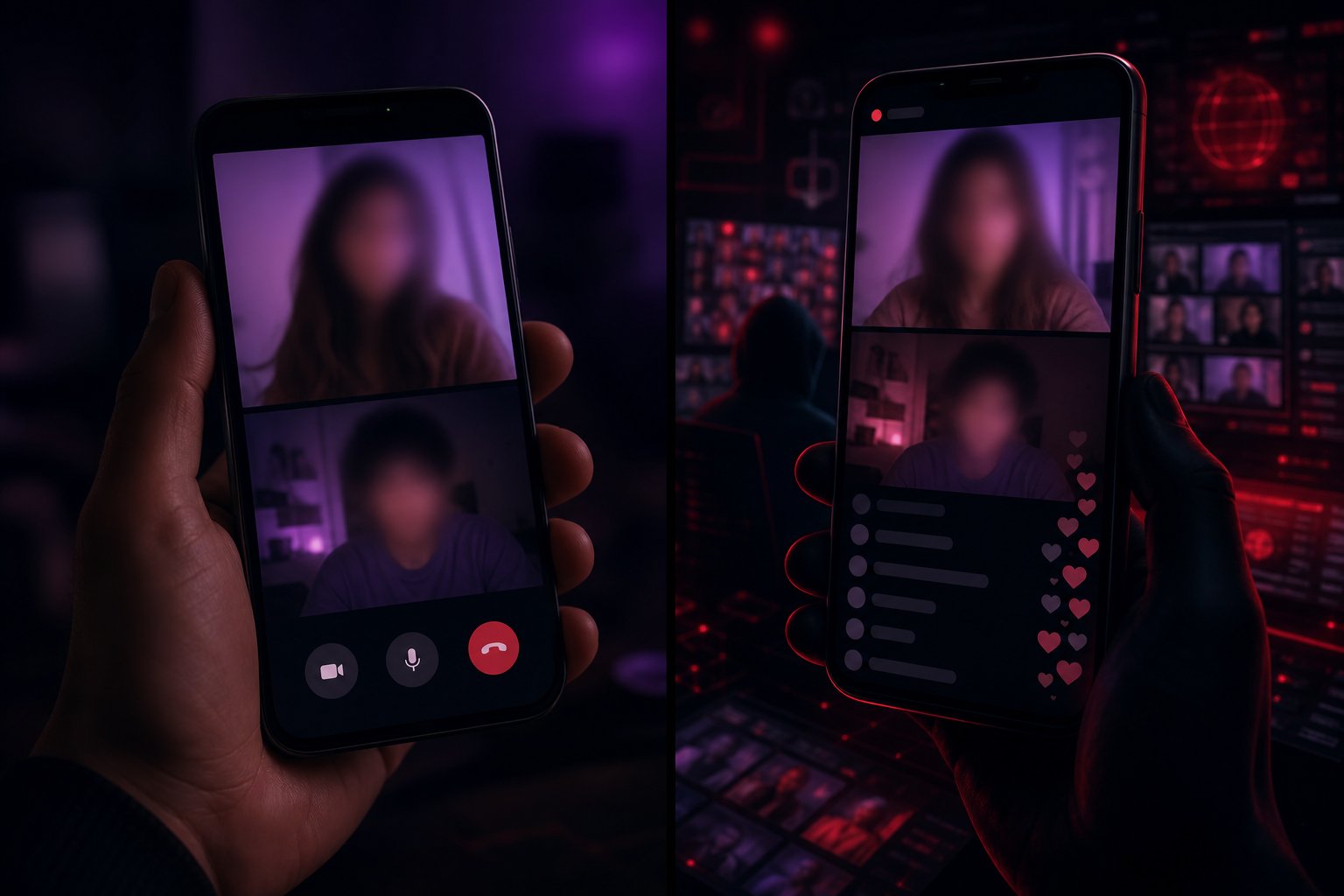
“Omegle leaks” usually refers to recorded video chat sessions that were shared online without the participants’ consent. Some were screen-recorded by the other user. Others were captured through third-party software, bots, or hacked streams. After Omegle shut down in 2023, a lot of that material moved to Telegram channels, Discord servers, and file-sharing sites.
Here’s the important distinction: not every recording is a “leak.” If two adults both agree to record their own private session, that’s consensual. A leak happens when one person shares the footage without the other person’s permission — or when the footage was captured secretly from the start.
Most of what gets labeled as “Omegle leaks” falls into the second category. That’s where the legal problems start. The shutdown of Omegle itself was partly driven by abuse and legal pressure, and leaks were a big piece of that story.
Why People Record Random Chats
There are a few common motivations, and none of them justify nonconsensual sharing:
- Clout and attention. Some people share “reactions” or wild moments to build a following.
- Money. Leak channels can monetize through ads, paid access, or crypto donations.
- Revenge. A recorded session gets used to harass, blackmail, or humiliate someone.
- Collection culture. Some users hoard recordings the way others collect trading cards.
None of these require the other person’s consent. That’s the problem. When you strip away the platform and the anonymity, what’s left is a private moment that someone decided to publish without permission.
The Legal Side of Recording Strangers
The law around recording someone on video chat depends on where you live, but the trend is clear: nonconsensual intimate recordings are being criminalized almost everywhere.
In the United States, most states now have laws against “nonconsensual pornography” or “image-based sexual abuse.” These laws target the distribution of private, intimate images or videos without the subject’s permission. Some states also criminalize the act of secretly recording someone in a private setting. The Cyber Civil Rights Initiative has a detailed FAQ on image-based sexual abuse laws.
In the European Union and the UK, laws around privacy, harassment, and revenge porn make it illegal to share intimate recordings without consent. Penalties can include prison time, fines, and permanent criminal records.
Audio recording adds another layer. In many U.S. states, recording a conversation requires the consent of all parties. The EFF explains the difference between one-party and all-party consent states, and most random chats cross state and national borders, which complicates things further.
| Region | Relevant Law | Typical Penalty |
|---|---|---|
| United States | State nonconsensual pornography laws | Fines, jail time, sex offender registration in some states |
| United Kingdom | Revenge Porn Law, harassment laws | Up to 2 years imprisonment |
| European Union | GDPR privacy rules, national criminal codes | Fines, criminal charges, civil lawsuits |
| Canada | Intimate Image Protection Act | Up to 5 years imprisonment |
This table is a simplified overview. If you’re dealing with a real legal issue, talk to a lawyer in your jurisdiction.
What Happens If You’re Caught
The consequences of creating or sharing nonconsensual recordings go way beyond a ban from a chat site.
- Criminal charges. Depending on the location and the content, charges can include harassment, distribution of intimate images, wiretapping, or even child exploitation if a minor is involved.
- Civil lawsuits. Victims can sue for damages, including emotional distress and reputational harm.
- Platform bans and payment blocks. Sites that host leak content get shut down, and their operators can face liability.
- Permanent digital footprint. Even if content is removed, copies can resurface for years.
The message is simple: recording and sharing random chat footage is high-risk, low-reward behavior. It can follow you for the rest of your life.
What to Do If You’re Recorded Without Consent
If you find yourself in a leak, act fast:
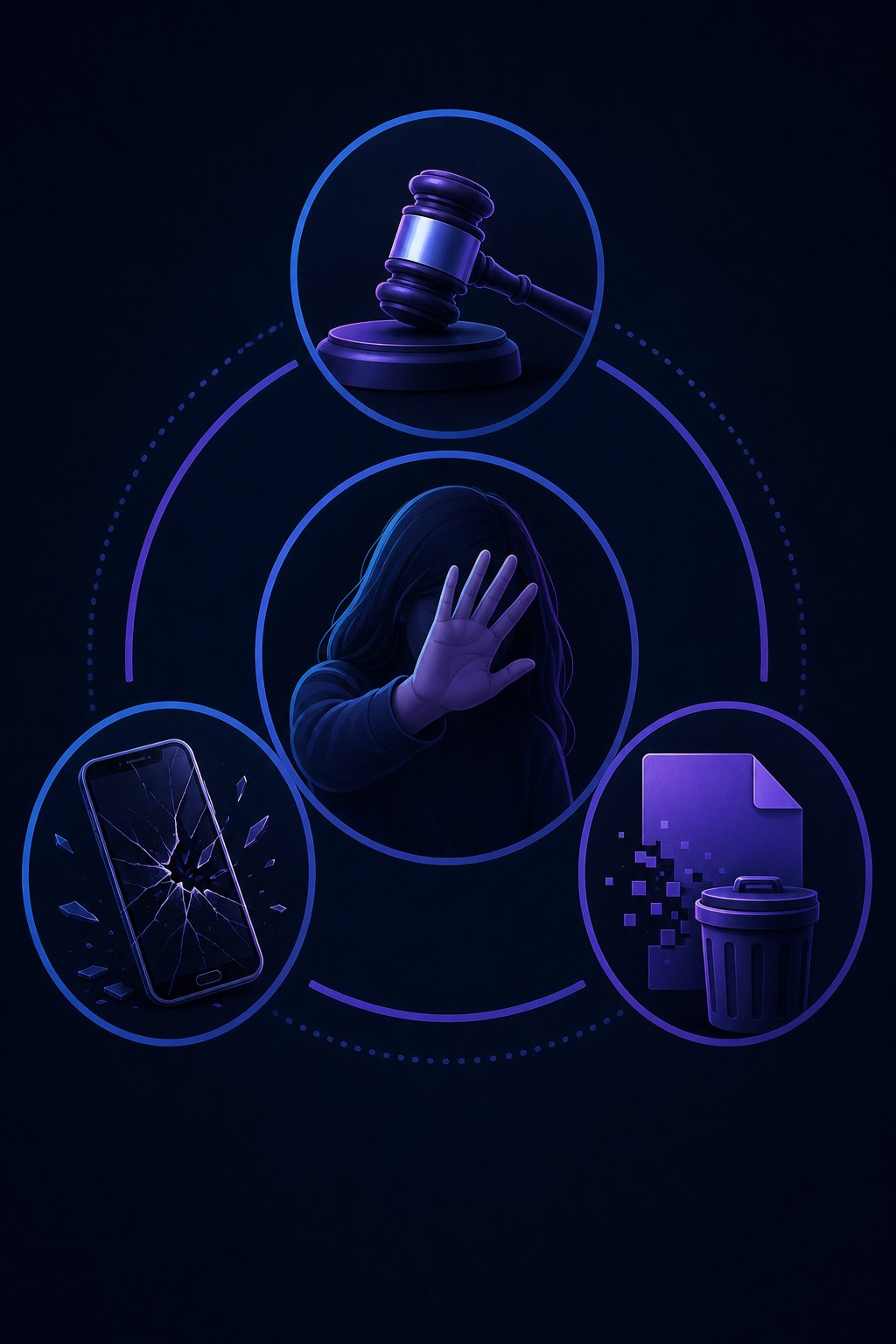
- Document everything. Screenshot URLs, usernames, and timestamps before anything gets deleted.
- Report the content. Most platforms have abuse reporting tools. Use them repeatedly if needed.
- Contact law enforcement. In many jurisdictions, nonconsensual sharing is a crime, not just a terms-of-service violation.
- Use a takedown service. Organizations like the Cyber Civil Rights Initiative offer guides and support for victims.
- Talk to a lawyer. Especially if the content is spreading or being used for blackmail.
The most important thing is not to blame yourself. The person who recorded and shared without consent is the one responsible.
How Platforms Try to Stop Leaks
Random chat platforms know leaks hurt their business and their users. That’s why most modern sites have added:
- Automated moderation. AI scans for nudity, banned behavior, and suspicious activity.
- Reporting systems. Users can flag abusive partners or recorded content.
- IP and device bans. Repeat offenders get blocked more aggressively than in the old Omegle days.
- Watermarks and tracking. Some platforms embed invisible markers to trace leaked content back to the recorder.
None of this is perfect. Moderation is expensive, and determined offenders find workarounds. But the trend is toward more accountability, not less. We covered how platforms also fight bots and fake profiles, which are often tied to recording schemes.
How to Protect Yourself on Cam2Cam
The best defense is assuming you’re always being recorded. If you act with that mindset, you make better decisions.
- Never show your face and identifying background in the same frame.
- Use a VPN. Our VPN guide for random video chat covers the best options.
- Don’t share personal details. No real name, location, workplace, or social media.
- Use a separate email and username. Keep your adult chat identity isolated.
- Cover your camera when not in use. Basic, but effective.
- Stick to platforms with active moderation. Our adult alternatives ranking factors safety into the score.
For a full technical setup, read our cam2cam setup guide. It covers lighting, audio, and privacy in detail.
Final Thought
Omegle leaks aren’t just content. They’re people’s private moments, broadcast without permission. The platforms that host them, the users who share them, and the people who create them are all facing more scrutiny than ever.
If you use random chat or cam2cam sites, protect yourself. And if you’re tempted to record someone, ask yourself whether a few minutes of clout is worth a criminal record, a lawsuit, or ruining someone’s life.
The wild west era of random chat is over. The law is catching up. Make sure you’re on the right side of it.
FAQ
Is it illegal to record someone on Omegle or random chat?
In most jurisdictions, recording and sharing an intimate video chat without consent is illegal. Even in places where recording itself is not criminalized, distributing the footage without permission usually is.
What are Omegle leaks?
Omegle leaks are recorded random chat sessions, often intimate, that were shared online without the participants’ consent.
Can I get in trouble for watching leaked Omegle videos?
Simply watching may not always be illegal, but downloading, sharing, or distributing nonconsensual intimate content can be. Laws vary by country and state.
What should I do if I appear in an Omegle leak?
Document the URLs, report the content to the platform, contact law enforcement, and reach out to organizations like the Cyber Civil Rights Initiative for support.
How can I stay safe on cam2cam sites?
Use a VPN, never share personal information, avoid showing your face and background together, and assume every session could be recorded.


